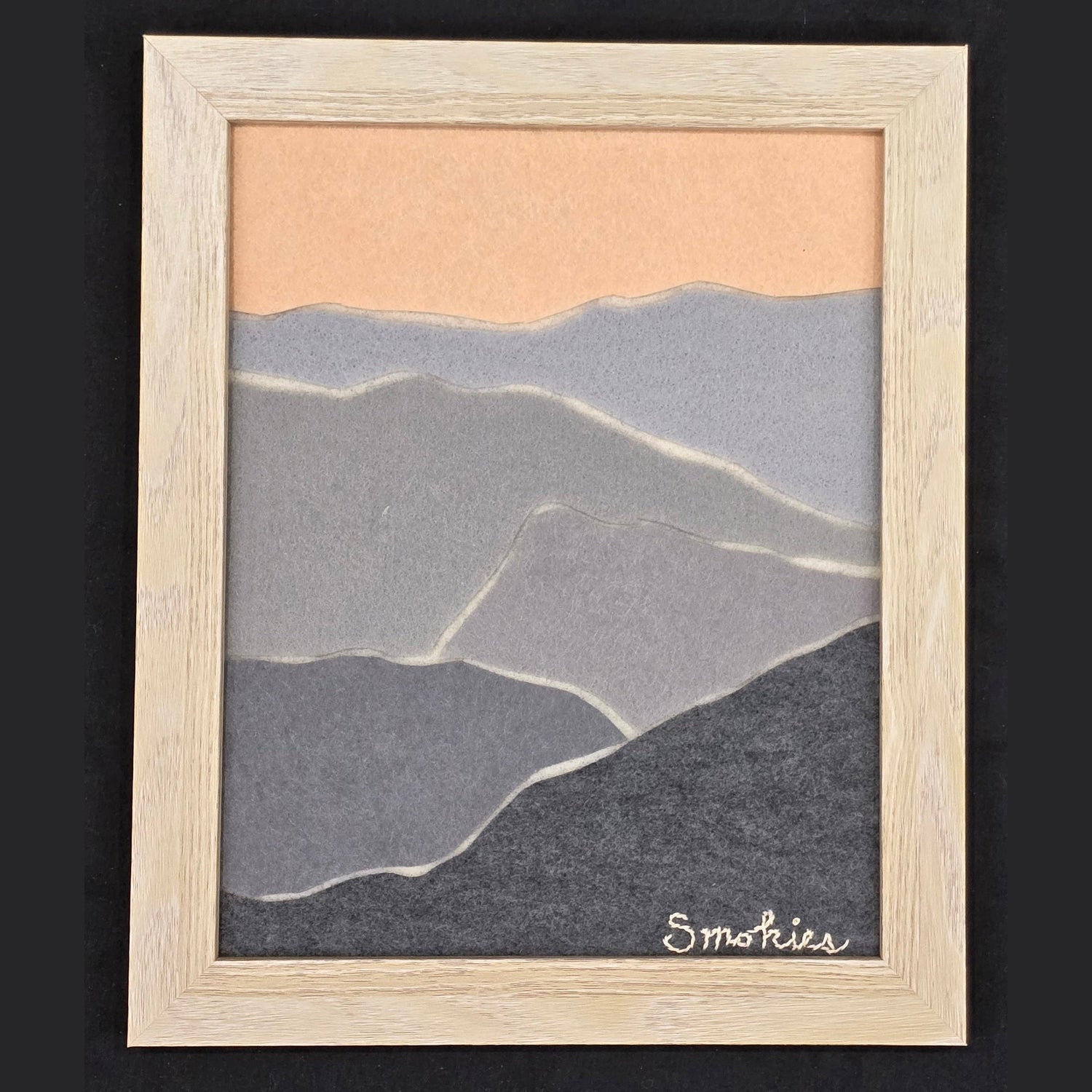


Tips for Sewing Felt Projects – A Beginner-Friendly Guide
If you’ve ever picked up a sheet of felt at the craft store and thought, "I wonder what I could make with this?" you’re in the right place.
Felt is one of the most versatile, beginner-friendly materials out there. It doesn’t fray, it comes in a rainbow of colors, and it’s affordable, making it perfect for everything from quick kids' crafts to heirloom-quality handmade gifts.
Whether you're just getting started or looking to upgrade your felt game, this guide will walk you through the type of felt to use, how to cut, sew, and stuff it for various projects.
What is Felt?
Let’s talk materials.
There are two main types of felt most crafters work with:
-
Acrylic Craft Felt: Inexpensive, easy to find, and great for beginners. You’ll usually find this in pre-cut sheets at big box stores.
-
Wool or Wool-Blend Felt: More expensive, but higher quality. These sheets are smoother, hold their shape better, and feel more durable, which is perfect for keepsakes or gifts.
If you’re just starting out or crafting with kids, acrylic felt is a great entry point. But once you try wool or a wool blend, you’ll notice the difference; it cuts cleaner, sews smoother, and lasts longer.
What Can You Make with Felt?
Honestly, the options are nearly endless. Felt is incredibly flexible (literally and creatively). A few ideas to get you started:
-
Handmade ornaments
-
Mini plush toys or “stuffies”
-
Bookmarks
-
Pincushions
-
Coasters or mug rugs
-
Banners and garlands
-
Appliqué for pillows, bags, or home decor
Whether you want a quick project or something a bit more detailed, felt can handle it.

Wool Felt vs. Acrylic Felt – Key Differences
| Feature | Wool/Wool-Blend Felt | Acrylic Felt |
|---|---|---|
| Material | Natural fiber (from sheep) | Synthetic (plastic-based) |
| Feel | Smoother, sturdier | Softer, fuzzier |
| Durability | Holds shape well, lasts longer | May stretch or wear out faster |
| Ironing | Safe to iron | Only very quick, low heat (can melt) |
| Cost | More expensive | Budget-friendly |
| Best for | Gifts, decor, heirloom projects | Kids’ crafts, learning stitches, prototypes |
Both types of felt don’t fray when cut, which makes them great for appliqué and hand-sewn edges.
How to Cut and Mark Felt (Without the Frustration)
If you’ve ever tried cutting out a felt shape and ended up with something... lopsided, you’re not alone. Felt can be a little tricky to cut accurately without the right technique.
Here’s the method I use and recommend:
Freezer Paper Method
-
Trace your shape or pattern onto the dull side of freezer paper.
-
Place the shiny side down on your felt and press briefly with a hot (but not too hot!) iron.
-
Cut around the shape using sharp scissors.
-
Peel off the freezer paper (you can usually reuse it a few times).
This technique helps you get clean, consistent cuts, especially for small or detailed shapes.

How to Sew Felt by Hand
One of the best things about felt is that it’s perfect for hand sewing, no sewing machine needed. It doesn’t fray, and you can layer it easily, making it a great material for learning basic stitches.
Two stitches I use most often:
-
Whip Stitch – Ideal for joining two felt pieces together
-
Blanket Stitch – Great for edging and adding a decorative finish
These stitches are simple to learn, even for beginners or kids, and they create a neat, finished look.
What to Use for Stuffing Felt Projects
You have a few options here depending on your project and personal preferences:
-
Polyfil – The most affordable and easiest to find at craft stores
-
Wool or Cotton Stuffing – A more natural alternative that adds a nice weight and texture
-
Scraps – Save your leftover threads, small felt trimmings, or fabric pieces. Cut them into tiny bits and use them as eco-friendly stuffing for small items like ornaments or pincushions.
Keeping a jar of scraps nearby makes it easy to reduce waste and repurpose materials.

Tools & Supplies I Recommend
Here’s a quick list of the basics I reach for regularly when working with felt:
-
Sharp fabric scissors or small embroidery scissors
-
Freezer paper
-
Mini iron and ironing mat
-
Acrylic or wool felt sheets
-
Embroidery floss and needles
-
Polyfil or natural fiber stuffing
-
Fabric glue stick (for layering or light adhesion)
Why Felt Is the Perfect Starting Point for Makers of All Kinds
Felt is one of the most approachable, rewarding materials you can craft with, whether you're making your first ornament or building a collection of handmade gifts. It’s easy to work with, easy to personalize, and a great way to slow down and make something meaningful.
Let me know in the comments: what are you planning to make with felt next?


